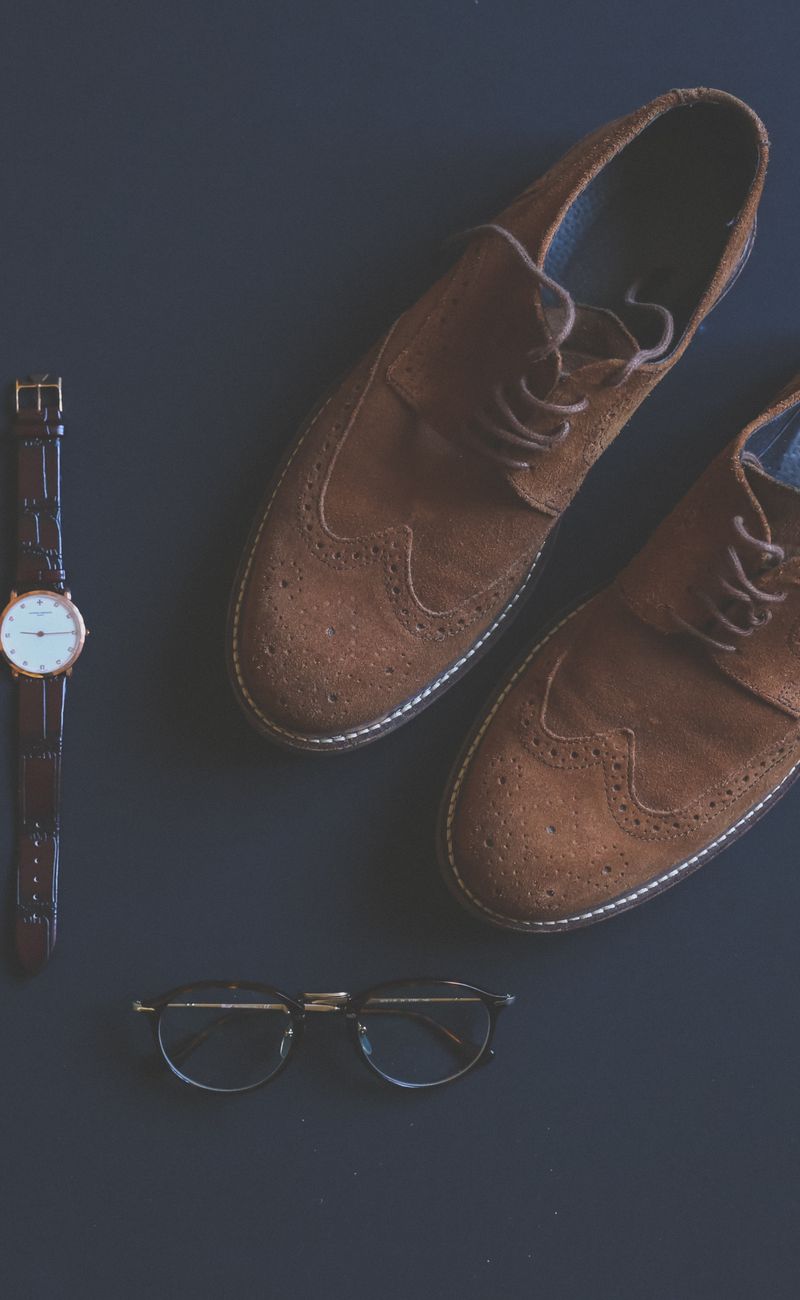
Best Shoes for Men: The Ultimate Attraction Guide (2026)
Discover how the right footwear instantly elevates your attractiveness and dating appeal. Learn which shoe styles women find most attractive and how to build a collection that commands attention.

Your Shoes Are the First Thing She Notices and the Last Thing She Forgives
Men spend hours choosing the right shirt, agonize over whether to go clean-shaven or grow a beard, and obsess about gym progress. But put on a pair of worn-out sneakers with peeling soles and ruined leather and every other effort becomes irrelevant. Your shoes for men presentation communicates your baseline standard of self-respect before you open your mouth. This is not vanity. This is signaling. The kind of unconscious social calculus that happens in the first three seconds of any interaction. You can ignore it if you want. She will not.
The connection between footwear and attraction is not superficial. It is structural. Your shoes affect your posture, your gait, and therefore how you occupy space. They send a message about where you have been, what you value, and whether you are the kind of man who pays attention to details. Clean, well-maintained shoes in an appropriate style elevate everything you are wearing. Damaged, inappropriate, or sloppy shoes drag everything down. There is no middle ground here.
Most men own too many shoes and wear the same two pairs until they disintegrate. The solution is not a closet full of footwear. It is owning the right shoes for men in the right quantities with the right level of care. This guide is about building a foundation that works for attraction, professional contexts, and everyday life without wasting money on pairs you will never wear.
The Foundation: Four Categories That Cover Every Situation
Before ranking specific styles, you need to understand the four categories that actually matter for a man's wardrobe. Everything else is noise.
The first category is the dress shoe. This includes oxfords, derbies, and monk strap styles. These are your formal and business-casual shoes. They come in leather soles or rubber soles depending on the manufacturer and the intended use. Leather soles look sharper but wear faster on wet surfaces. Rubber soles are more practical for daily wear and look perfectly acceptable in most professional settings. The key is to own at least one pair in black and one in brown. These two colors cover nearly every formal or semi-formal situation you will encounter.
The second category is the minimal sneaker. Clean, low-profile sneakers in white or off-white leather fall into this space. They work with jeans, chinos, and even tailored joggers if you are wearing them correctly. This is the most versatile shoe in your rotation. You can wear it on casual dates, weekend outings, and informal social situations. The trap here is buying sneakers that look athletic when they should look minimal. Running shoes and basketball-style sneakers do not belong in this category. They belong in a gym bag or your closet, not on your feet when you are trying to look like someone who has his life organized.
The third category is the boot. Specifically, a dress boot or a chelsea boot in a quality leather. This is your fall and winter shoe for men that bridges the gap between casual and formal. A good boot can be worn with dark jeans and a blazer for a smart-casual date or with tailored trousers for a business dinner. The key is choosing a boot with a clean silhouette. Chunky soles, excessive stitching, and heavy branding are all mistakes. You want something sleek that reads as intentional rather than utilitarian.
The fourth category is the loafer. This is the forgotten shoe in most men's collections and it is the one that generates the most attraction upside. A quality leather loafer in tan or burgundy works with everything from shorts to suits. It elevates a casual outfit in a way that sneakers cannot. It communicates taste without trying too hard. This is the shoe that women notice and comment on more than any other category, likely because it is rare enough to stand out when done correctly.
What Actually Attracts: The Hierarchy of Shoe Quality
Not all shoes for men are created equal in the eyes of attraction. The difference between a thirty-dollar shoe and a one-hundred-and-fifty-dollar shoe is not just materials. It is silhouette, construction, and the way the leather ages. Here is what you need to understand about quality and why it matters.
Goodyear welt construction is the gold standard for dress shoes and boots. It means the upper is stitched to a welt, which is then stitched to the sole. This allows the shoe to be resoled multiple times, extending its lifespan significantly. It also creates a more structured fit that supports your foot better over time. Blake stitch construction is thinner and more flexible but cannot be resoled as easily. Both are acceptable for attraction purposes. Cement construction, where the sole is glued to the upper, is what you find in budget shoes and they will fall apart faster. For dress shoes, avoid cement construction entirely.
Full-grain leather upper is non-negotiable if you want shoes that look good and last. Top-grain leather is acceptable but slightly lower quality. Split-grain and corrected-grain leathers, often labeled as genuine leather, look inferior and do not age well. They crack, peel, and look worn out far sooner than you would expect. The price difference between full-grain and corrected-grain is significant but the longevity difference is even more significant. Your shoes for men collection will cost you less over time if you buy quality once rather than replacing cheap shoes every eighteen months.
The outsole matters more than most men realize. Leather soles look elegant but require more maintenance. They absorb moisture and wear down faster on pavement. Rubber soles, particularly those made from natural rubber, last longer and provide better traction. Many dress shoe manufacturers now offer dress shoes with rubber soles that maintain the elegant profile while adding durability. This is not a compromise. This is practical thinking.
The Shoes That Actually Work With Your Wardrobe
Owning the right shoes for men means nothing if those shoes do not actually work with what you are wearing. Context matters. Here is how to match shoes to situations without overthinking it.
For the first date in a casual setting, your white leather minimal sneakers are your best tool. They work with jeans, chinos, and most casual shirt options. The key is keeping them clean. I am not saying spotless to the point of looking unworn. I am saying free of major scuffs, grass stains, and visible damage. A slightly worn-in white sneaker looks intentional. A dirty, cracked white sneaker looks like you do not care.
For the date that moves from casual to something more elevated, the loafer is your secret weapon. A tan leather loafer with dark jeans and a fitted polo or button-down reads as someone who understands how to dress without overdoing it. It suggests taste without appearing effortful. Women notice this because most men either underdress or overthink their outfit. The man in a clean loafer looks like he got dressed in under ten minutes and somehow nailed it. That is the energy you want.
For professional and business contexts, the oxford is your foundation. A black cap-toe oxford with a dark suit is the most reliable combination in menswear. It works. It has always worked. It will always work. The mistake men make here is going too fashion-forward with their business shoes. Wingtips, monk straps, and chunky soles have their place but not in the boardroom when you are trying to project competence. Start with the classic black oxford. Add variety later when you understand the landscape better.
For winter and fall dates, the chelsea boot is your upgrade path from sneakers. A dark brown or burgundy chelsea boot in smooth leather with a slim jeans or trouser creates a silhouette that looks intentional and attractive. The elastic side panels should be clean and unbroken. The heel should be moderate, not stacked and excessive. The toe should be slightly pointed or almond-shaped, not square. Square-toed boots were a mistake the early 2000s made and we are still recovering from that cultural error.
The Mistakes That Destroy Your Attraction Effort
Knowing what to buy is only half the battle. Knowing what to avoid is the other half. These are the most common mistakes I see men making with their shoes for men and why each one costs you.
Wearing athletic shoes with everything. Running shoes, basketball shoes, and cross-trainers are designed for the gym or the court. They have logos, technical mesh, exaggerated soles, and a look that announces their purpose. When you wear them with jeans or chinos, you are telling everyone around you that you did not think about your outfit. That is a statement you probably do not want to make on a date or in a social situation. Reserve athletic footwear for actual athletic contexts.
Neglecting shoe maintenance. Shoes that are scuffed, cracked, or have dirty soles look worse than wearing no shoes at all. At least bare feet suggest tropical vacation or intentional rebellion. Dirty, damaged shoes suggest carelessness. You do not need to polish your sneakers but you do need to clean them periodically and replace them when they show real wear. For leather dress shoes, regular polishing and conditioning extends their life and keeps them looking sharp. A shoe tree in each pair when you are not wearing them prevents the leather from creasing permanently. This is basic maintenance that takes thirty seconds and saves you hundreds of dollars.
Buying shoes that do not fit correctly. This one seems obvious but it is more common than you would think. Shoes that are too tight cause bunions, corns, and an awkward gait that is visible to anyone paying attention. Shoes that are too loose look sloppy and cause blisters. Your shoe size changes as you age. Get measured every few years. The width matters as much as the length. Many men are wearing the wrong width without realizing it. A quality shoe store will measure both feet and help you find the right fit. This is not optional if you care about how you look and feel.
Chasing trends that will age poorly. Chunky sneakers were everywhere five years ago and are now dating yourself. Platform shoes, excessive embellishments, and statement colors go in and out of fashion rapidly. Your foundation shoes for men should be classic styles that have proven themselves over decades. You can experiment with one trendy pair if you must but never build your entire rotation around a trend. The man in classic leather shoes always looks more attractive than the man in this season's viral footwear.
Building Your Rotation Without Wasting Money
You do not need twelve pairs of shoes. You need six pairs that cover every situation you will actually encounter. Here is the minimum viable rotation for a man who cares about his appearance and does not want to spend a fortune maintaining it.
Start with a black oxford and a brown derby or oxford. These two pairs cover every formal and business-casual situation you will encounter. Buy Goodyear welt or Blake stitch construction with full-grain leather. Budget at least one hundred and twenty dollars per pair. Anything below that price point in this category will not hold up and will look cheap within a year. These are investments, not expenses. A quality dress shoe that is properly maintained will last five to seven years. That is less than fifty cents per day over the lifespan of the shoe.
Add a pair of white or off-white minimal sneakers in quality leather. One hundred to one hundred and fifty dollars here as well. The return on investment is enormous because you will wear these constantly. They work with casual dates, social gatherings, weekends, and everything in between. Replace them when they show significant wear, which for most men means eighteen to thirty months depending on wear frequency.
Add a chelsea boot in dark brown or burgundy leather. This is your fall and winter upgrade that works from casual to smart-casual. The same price range applies. Look for a slim profile with a small heel and clean lines. Avoid anything with heavy stitching or excessive sole thickness.
Add a loafer in tan or burgundy. This is the shoe most men skip and it is costing them in attraction points. The loafer is the easiest path to looking like someone who understands style. Wear it with jeans, chinos, and even shorts if you are confident enough to pull it off. It works harder than almost any other shoe in your rotation for the effort it requires.
That is four to six pairs depending on your lifestyle. It covers every situation from the gym to the boardroom to the dinner date. Everything beyond this is optional and likely unnecessary unless you have specific professional or social requirements that justify additional purchases.
The One Thing That Matters More Than Any Shoe Choice
Shoes matter. They matter more than most men realize and more than most style content will tell you. But here is the hard truth that no one wants to hear. The shoes do not make the man. The maintenance and consistency make the man. A man in oxfords that are polished, well-fitted, and appropriate to the context will out-attract a man in expensive designer shoes that are scuffed, wrong-sized, and worn with the wrong outfit. The gap in attraction between a man who pays attention to his footwear and one who does not is enormous. It is one of the highest leverage changes you can make in your overall presentation without spending an unreasonable amount of money or time.
Clean your shoes. Fix them when they need repair. Replace them when they are beyond saving. Match them to your context. Buy quality once instead of cheap repeatedly. These are not glamorous recommendations but they work. The man who does these things signals that he pays attention. That he respects himself and the people around him. That is what attraction actually is. Not the shoe itself but the evidence of who you are that the shoe represents. Get that right and you will not need to explain yourself to anyone.